Skip to content
Table of Contents
Healthy skin rarely comes from aggressive treatments alone. More people in Lehi are learning that how the skin is prepared before exfoliation plays a major role in the outcome.
That shift in thinking is one reason chemical peels are being approached differently in 2026. Instead of focusing only on removing damaged surface layers, many professionals now prioritize protecting and strengthening the skin barrier before resurfacing begins. This barrier-first approach is helping patients see smoother, clearer results with less irritation and more predictable recovery.
What is a barrier-first chemical peel?
A barrier-first chemical peel focuses on strengthening and preparing the skin barrier before exfoliation. This approach helps treatments work more evenly while reducing irritation and recovery time.
What “Barrier-First” Chemical Peels Mean In Modern Skin Treatments
To understand the barrier-first trend, it helps to know what the skin barrier actually does. The outermost layer of the skin acts as a protective shield. It helps retain moisture, defends against environmental stressors, and supports the healing process after treatments.
In the past, many peel strategies focused primarily on exfoliation. Stronger acids and deeper resurfacing were often seen as the fastest way to improve tone, texture, and discoloration.
Today, skin professionals recognize that damaged or weakened barriers can lead to unpredictable reactions during resurfacing treatments. When the barrier is compromised, skin can become more sensitive, more prone to inflammation, or more prone to uneven healing.
Barrier-first chemical peels take a more balanced approach. The skin is evaluated and prepared before exfoliation begins. By supporting hydration and calming the skin beforehand, the peel can work more evenly, and the recovery process tends to be smoother.
Patients benefit from resurfacing that encourages renewal without overwhelming the skin.
Why Skin Barrier Health Changes Affect Peel Results
The condition of the skin barrier plays a major role in how the skin responds to professional treatments.
When the barrier is compromised, exfoliating acids can penetrate unevenly. This can lead to irritation, redness that lingers longer than expected, or uneven peeling across the treated area.
A healthy barrier allows chemical peels to work as intended. When the skin is balanced and hydrated, exfoliating ingredients interact more effectively with the surface layer.
The goal is not to avoid exfoliation. Instead, the goal is to prepare the skin so resurfacing produces cleaner, healthier results.
Why Lehi Patients Are Turning To A “Skin Reset” Approach In 2026
Many skincare trends come and go, but the barrier-first philosophy is gaining attention for a reason.
In recent years, people have become more aware of how over-exfoliation affects the skin. Strong acids, frequent at-home peels, and layered active ingredients can gradually weaken the skin barrier.
As a result, many patients now seek treatments that refresh the skin without creating prolonged sensitivity.
A “skin reset” approach addresses this concern. Professional chemical peels performed with barrier support can remove dull surface cells while still respecting the skin’s natural recovery process.
This approach also fits the lifestyle that many people in Lehi prefer. Patients often want treatments that improve tone and clarity without extended downtime or disruption to daily routines.
When the skin barrier is supported first, resurfacing treatments tend to feel more manageable, and recovery often becomes easier.
How Barrier Support Improves Chemical Peel Performance
Barrier-first preparation improves how exfoliating ingredients interact with the skin.
When the skin is properly hydrated and balanced, acids used in chemical peels can penetrate more evenly. That allows the peel to exfoliate the surface layer without triggering unnecessary inflammation.
Barrier support also helps the skin transition into the healing phase more efficiently. The renewal process following a peel depends on healthy cell turnover, and the skin barrier plays a key role in this process.
For patients seeking acne scar treatment in Utah County, this strategy can be particularly helpful. Controlled resurfacing paired with barrier support allows the skin to renew itself while minimizing irritation that could slow progress.
What A Barrier-First Chemical Peel Plan Looks Like
At Cosmedics Med Spa in Lehi, treatment planning begins with a close look at the skin itself. Each patient’s barrier health, sensitivity level, and skincare history are considered before recommending a peel.
A barrier-first plan typically includes several key steps.
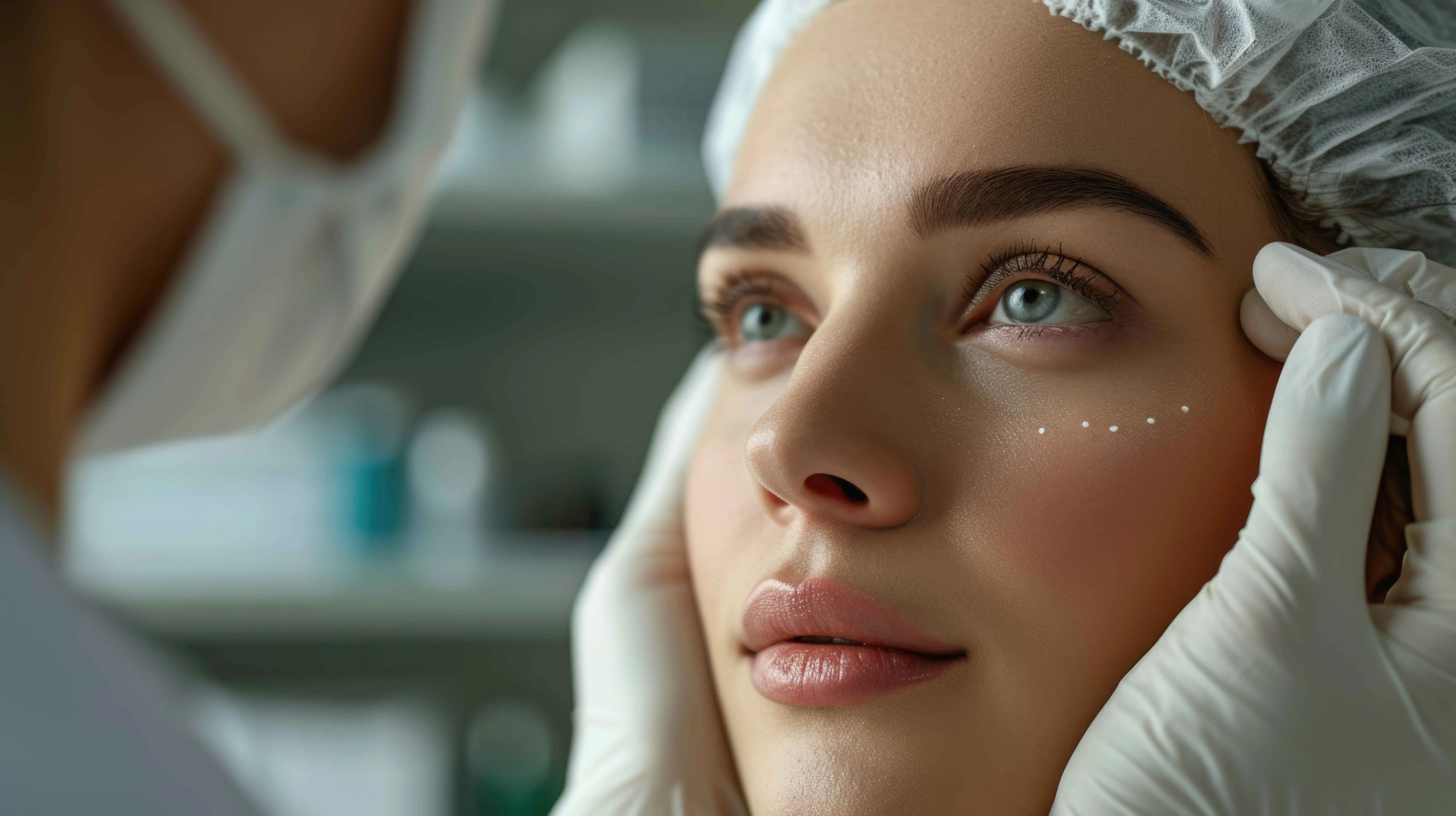
First comes a skin evaluation. This helps determine the skin barrier’s resilience and whether any preparation is needed before resurfacing.
Preparation may include hydration-focused products or calming ingredients that help restore balance before the peel is performed.
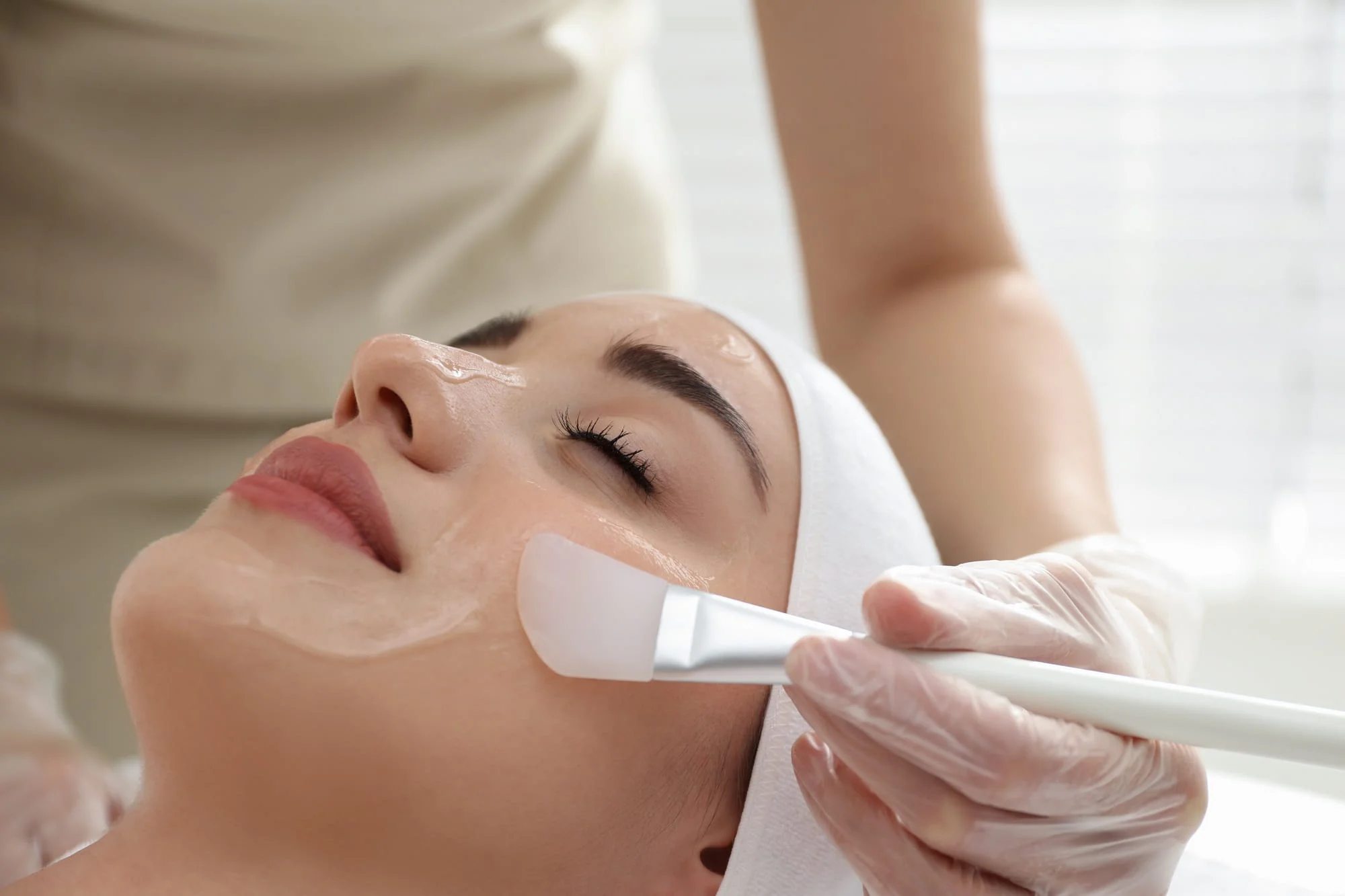
Next comes the peel selection itself. Patients may receive lighter exfoliation or more intensive resurfacing, depending on their goals and skin condition. This is where the distinction between superficial and deep chemical peels becomes important.
Superficial peels work closer to the skin’s surface and often focus on brightening and smoothing. Deeper peels penetrate further and may target more visible concerns such as acne scarring or deeper discoloration.
After treatment, recovery care focuses on protecting the skin barrier while new skin cells emerge. This phase helps maintain the improvements achieved during the peel.
Skin Concerns That Respond Well To Barrier-First Peels
Barrier-first chemical peels can address a wide range of skin concerns, especially when treatments are customized to the patient’s skin condition.
Common reasons patients seek this treatment include uneven tone and stubborn discoloration. Exfoliating the surface layer allows new skin cells to appear brighter and more even.
Fine lines and rough texture also respond well to controlled resurfacing. As the outer layer sheds, smoother skin begins to replace the dull surface.
Many patients pursuing acne scar treatment in Utah County also benefit from peel treatments. Professional resurfacing can gradually soften post-acne marks and improve overall texture.
Barrier-first preparation helps ensure the skin can tolerate these treatments without excessive irritation, which is especially important for acne-prone skin.
Ready for a Skin Reset in Lehi?
Healthy skin starts with the right strategy. Barrier-first chemical peels are helping many patients in Lehi refresh their complexion while keeping the skin balanced and resilient.
If you are considering chemical peels to improve tone, texture, or acne scarring, our team at Cosmedics Med Spa is here to help. Claim Your Glow: Schedule a Chemical Peel Consultation in Lehi to learn which peel option fits your skin goals and experience the benefits of a barrier-first treatment plan designed for lasting results.